How to choose a diamond
If you have found yourself reading this Blog ,you are surely facing the age-old question of choosing an engagement ring or, for that matter , any other occasion that requires a piece of jewelry to seal that moment.
The most important part from an economic point of view, is THE DIAMOND
In this article we will try to give you as much information as possible on how to choose it according to the available Budget.
Choosing a Diamond is not a simple matter.
There are basic characteristics to be taken into consideration for the best selection, these can be summarized in the now “famous” four Cs :
- Color = Color
- Cut = cut
- Carat = weight
- Clarity = purity
COLOR (color) is definitely one of the most important influencing its choice being the most obvious and appreciable even to the naked eye.
Diamond is colorless by nature, but it can take on shades ranging from gray to yellow due to the presence of other chemical compounds.
Obviously the color shades affect its beauty.
Diamonds are graded according to color scale ranging from D to Z where , D-E-F ensure the perception of noncolor ,G-H-I-J-K almost colorless, L-M light yellowish, N-O very light yellow , P-Q-R light yellow, R to Z yellow.
CUT
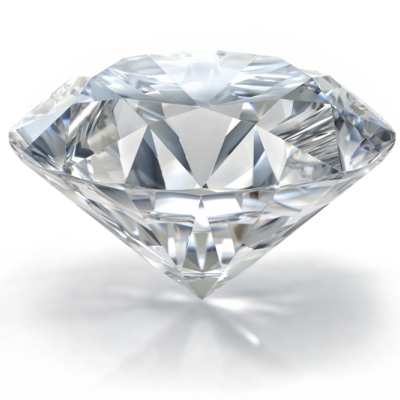
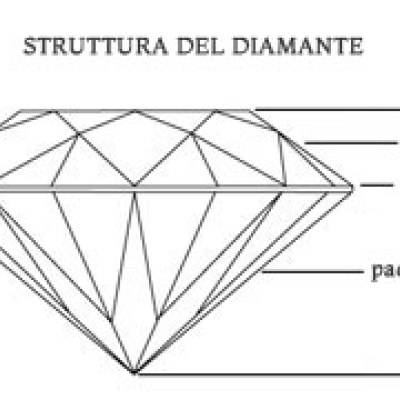
When you cut a diamond ,what you want to achieve is that as much light as possible is returned to the beholder, thus achieving maximum brilliance.
One of the elements to be considered is the Fire i.e. the colored flashes that ,can be observed in a diamond ,due to Dispersion i.e. the ability to break down white light into its basic components. In a cut diamond the fire consists of the facets of the crown.
In addition to that, it is also necessary to take into consideration the finish of the diamond, given by the polish that ,concerns the presence of scratches ,bangs , surface burns, abraded edges, (so it is of paramount importance that the surface of the facets is perfectly smooth) and symmetry that instead is based on the presence of external features, such as additional facets, cutting irregularities ;
They are evaluated through the following scale:
- EXELLENT (excellent) is the best cut where there is maximum focus and brilliance, almost all the light entering the stone is reflected;
- VERY GOOD fire and luster are very good, and almost all the light entering the stone is reflected correctly.
- GOOD (good) fire and luster are good and most of light entering the stone is reflected
- FAIR (medium) part of the light comes out to the side or from the ends, the diamond is not very bright
- POOR (poor) the light is poorly reflected and the stone will look dull
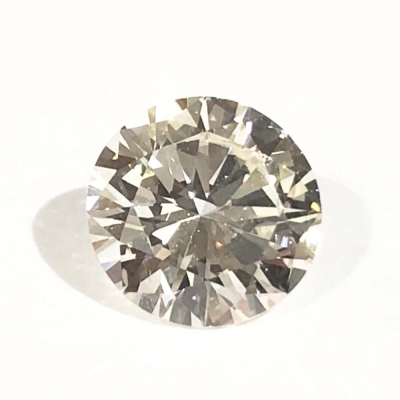
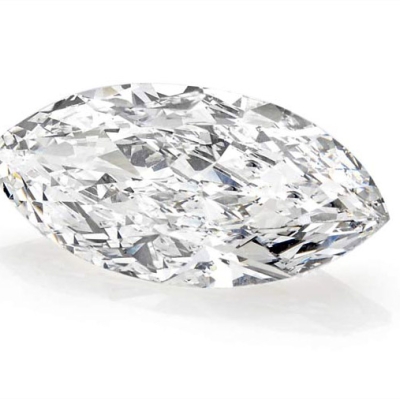
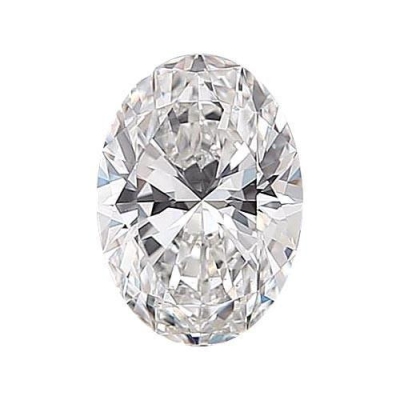
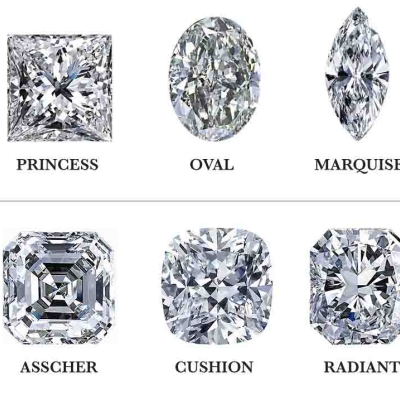
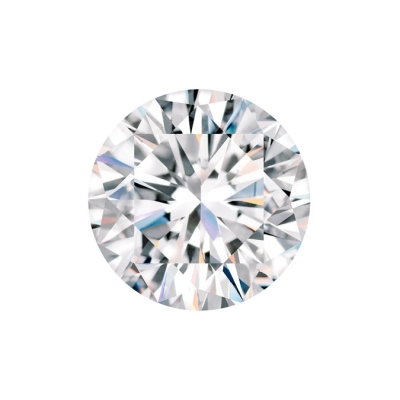
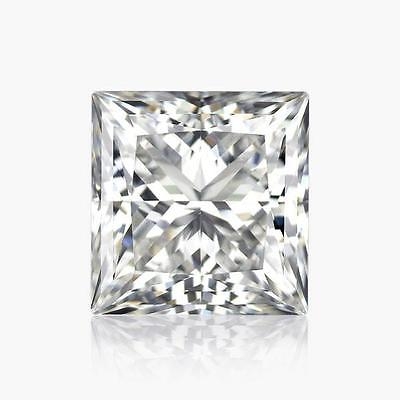
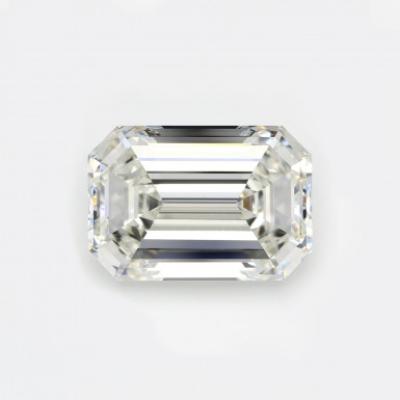
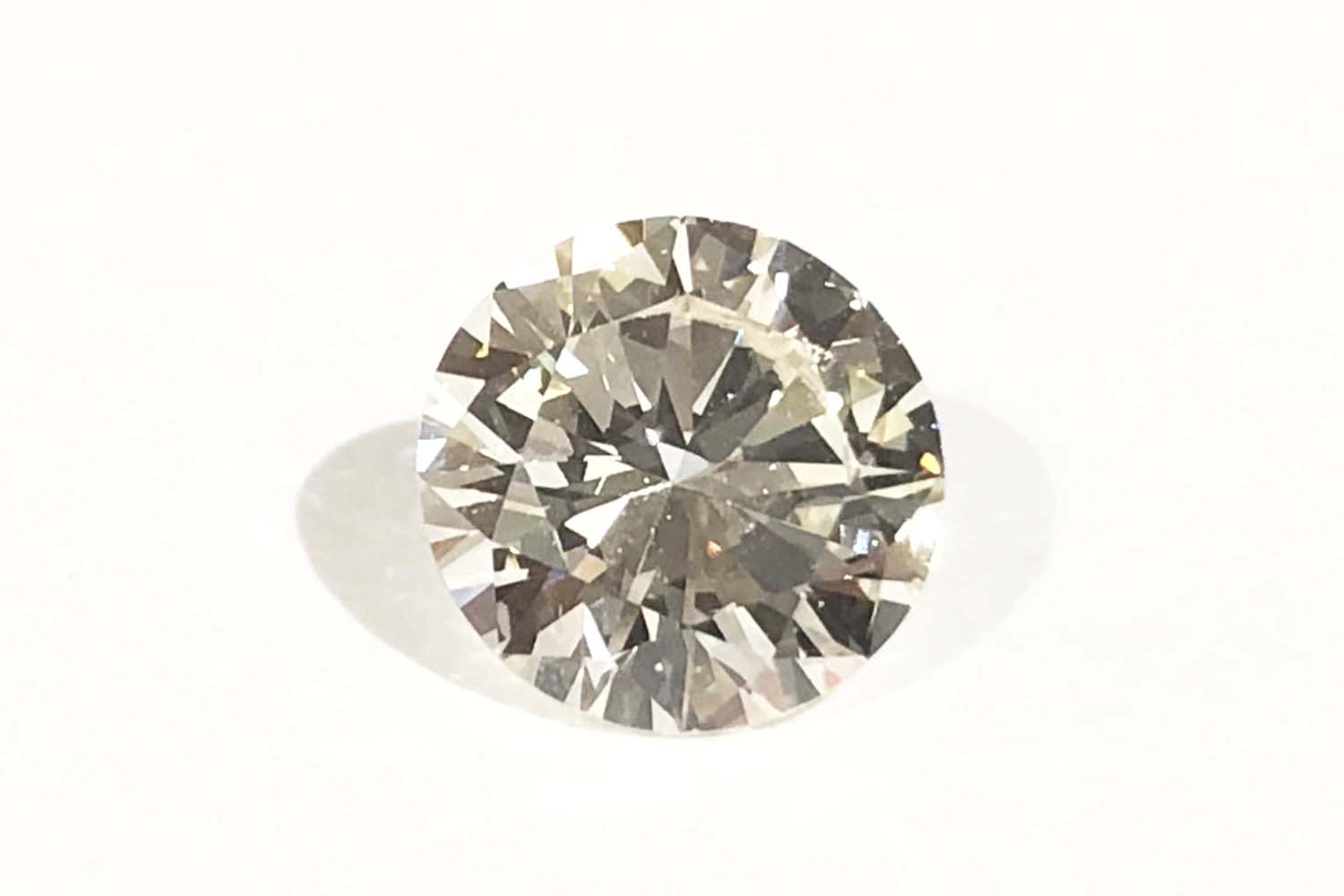
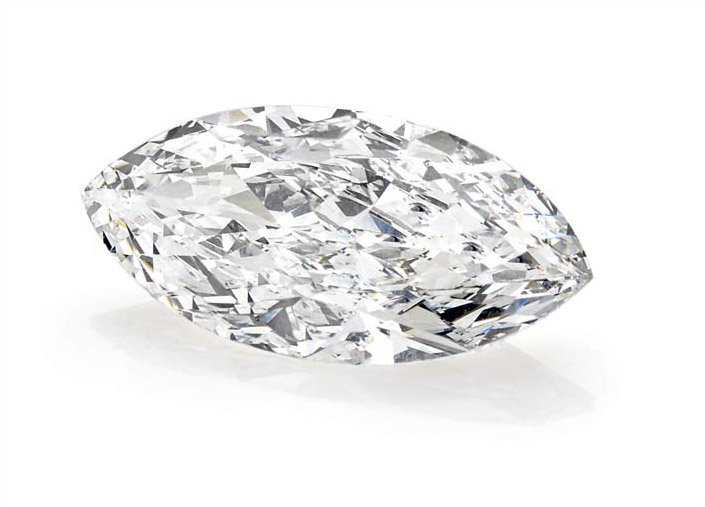
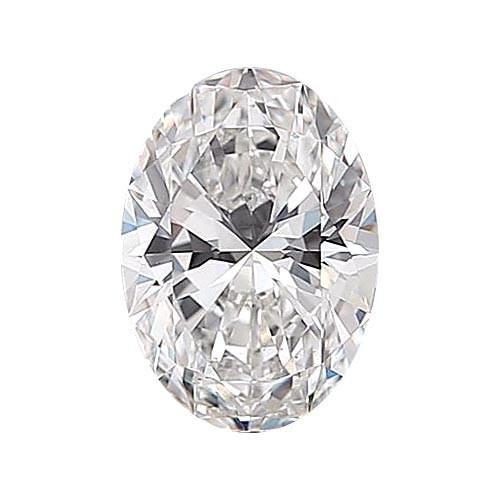
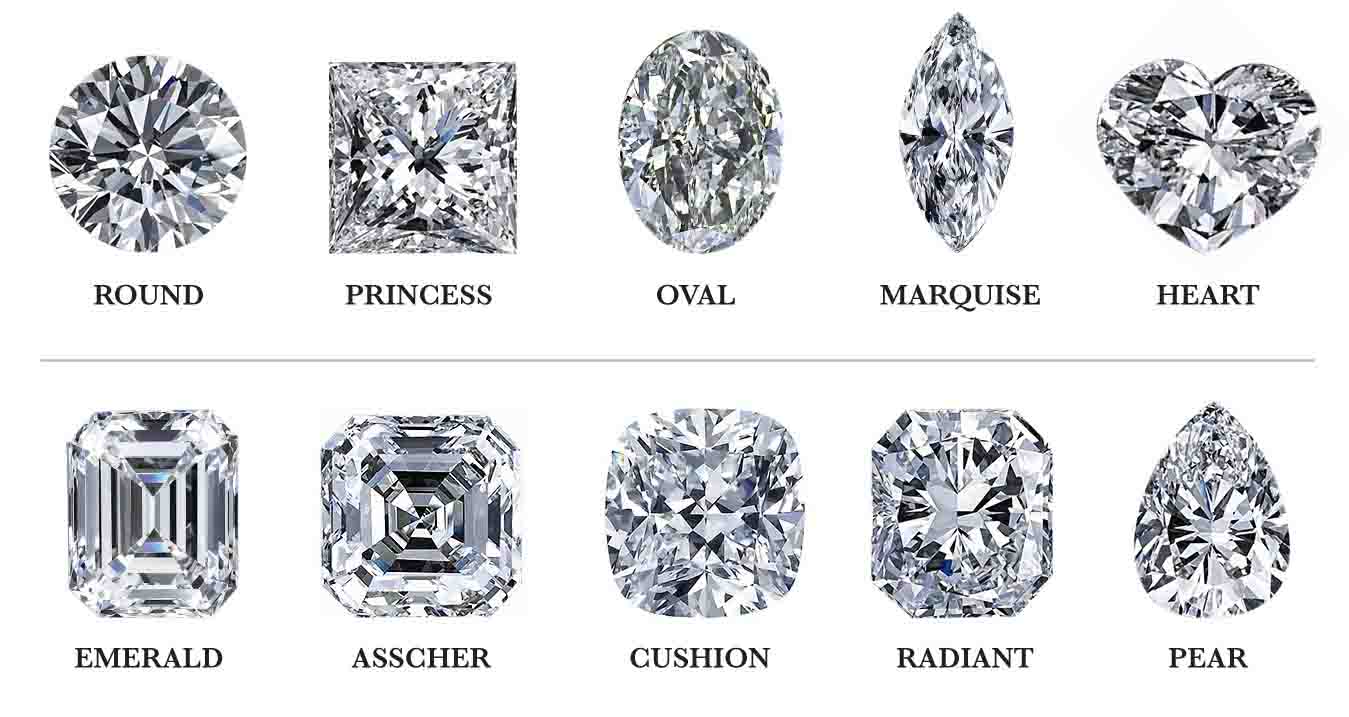
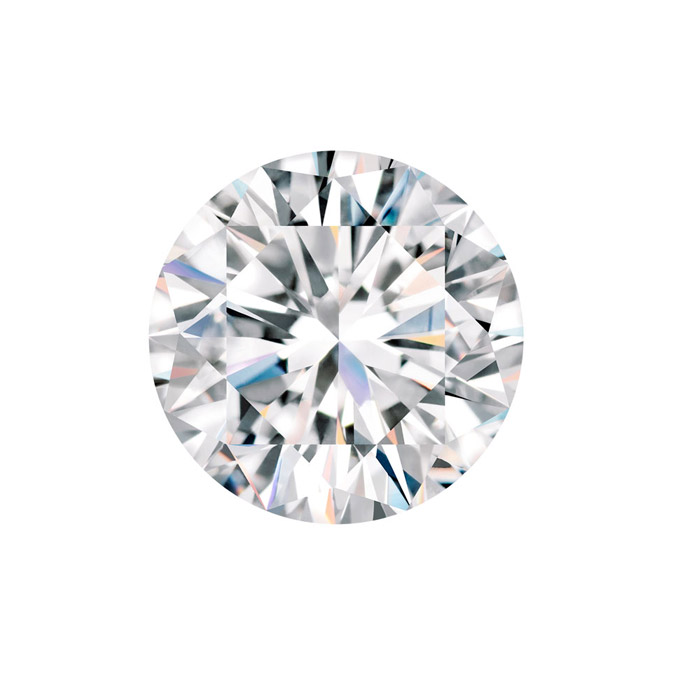
There are different types of cuts, the most famous is undoubtedly, the Brilliant Cut, but there are also:
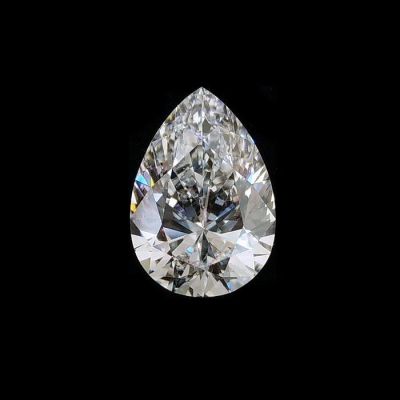
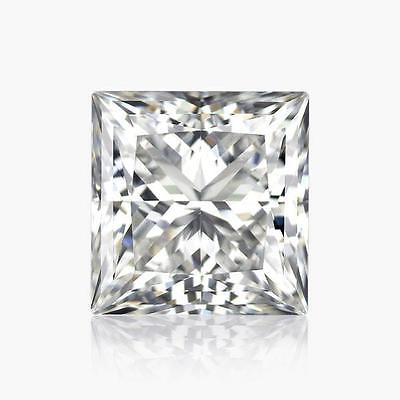
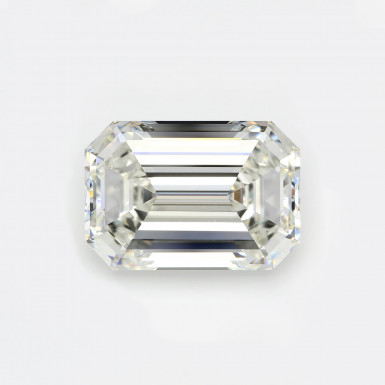
the oval, teardrop ,emerald ,princess cut,
the marquise cut, asscher, heart
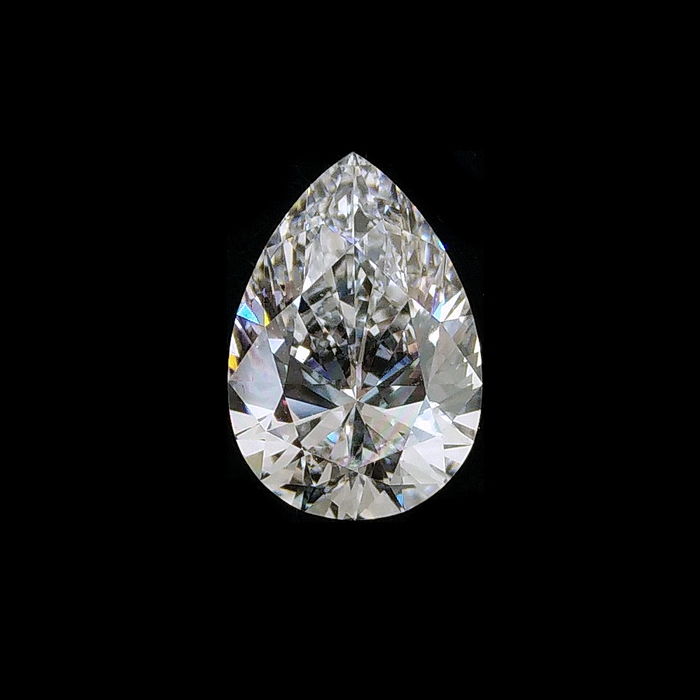
the cuschion,radiant and pear cut.
CARAT (carat) is the weight of the diamond ,derived from Greek and stood for seeds and therefore used in precision weighings such as that of precious stones
Specifically 1/5 of a gram = 1 Carat
1 Gram = 5 Carats.
CLARITY (clarity) indicates the clarity and homogeneity of a cut diamond , the presence ,in fact , of inclusions or other imperfections represents a disturbing element.
Numerous minerals can be observed within a diamond, including spinel, garnet, olivine etc. They have proven to be very important in the formation of the same, and the presence of certain crystalline inclusions prove its natural origin.
Inside the stone it is possible to find fractures ,original to the crystal and formed during the crystal’s ascent.
In order to assess the purity of the stone, it must be observed with a 10X lens.
Factors that contribute to determining the clarity grade of a diamond are the size of inclusions, their location and color:
– The greater the inclusion the lower the purity;
– The greater the number of inclusions , the lower the purity;
– inclusions in the center of the stone are more penalizing ,than those placed in the lateral or profnde areas of the stone.
The purity scale is characterized as follows:
- IF (internal flawless) = internally pure
- VVS1-VVS2 (very very small inclusion)= presence of very small inclusions-almost pure;
- VS1-VS2 (very small inclusion) =presence of very small incusions – slightly included
- SI1-SI2 (small inclusion) =presence of small inclusions-low purity grade;
- I1-I2-I3 (inclusion)=presence of inclusions visible to the naked eye.
The only way to be sure of a correct valuation of a diamond is to rely on an internationally accredited Certification Body.
Those that ,we think it appropriate to recommend to you and to whom we ourselves turn for the certification of our stones , are:
- IGI :International Gemological Institute
- GIA :Gemological Institute of America;
- HRD Antwerp : Hoge Raad voor Diamant (High Council of Diamond in Antwerp).